

Who we are
Warsaw House of Serenity - Grief House Warsaw – Дім Полегшення is a community-based space of grief support for people from different cultures. We create a place where you can come with your grief/loss – no matter how much time has passed, what your relationship was like, where you come from, or how people in your community usually speak about death. We are not a mental health clinic or a therapy office. We are a home for meetings, conversations, shared rituals, and small gestures of care.
Our mission
Our mission is the social normalisation of grief. We want people in grief not to be left alone – especially when they are far from their family home, their loved ones, or the language they feel most at home in.
Our mission also includes restoring grief to public and social life. We want conversations about loss not to be a taboo that you must “get over quickly and quietly”, but a recognised part of community life. That’s why we combine emotional support with psychoeducation, creative activities, body-based work and shared rituals – so that we can gradually rebuild a social “user manual” for grief that we have lost in recent decades.
Our mission also includes giving bereavement a place in society. We want the conversation about loss not to be a taboo that has to be „lived through quickly and quietly”, but a recognised part of community life. That is why we combine emotional support with psychoeducation, creative activities, bodywork and communal rituals - so as to gradually rebuild the social „instruction manual” for bereavement that has been lost in recent decades.
In the longer term, our ambition is for the Grief House Warsaw model to be replicated in other cities – so that in different parts of Poland (and perhaps one day beyond) local spaces can emerge where communities learn to support people in grief before specialist intervention becomes necessary.
Our values
Community
We believe that grief should not be lived through alone. Community – even a small, temporary one – is one of the most important resources that helps us in this difficult time.
Respect for diversity
We welcome people from different countries and cultures, carrying different stories. We respect different languages, worldviews, traditions and ways of grieving.
Safety and voluntariness
We ensure clear guidelines, confidentiality, and that each person can decide for themselves how much they want to engage in the meeting.
Gentleness instead of pressure
We don’t require you to “close the chapter”, “work through everything”, or “return quickly to your old life”. We recognise that grief is a process with its own rhythm.
Accessibility
We try to make the Grief House Warsaw as accessible as possible – linguistically, financially, and in terms of meeting formats. We run sessions in Polish, English and Ukrainian. During the pilot period, participation is free of charge thanks to support from European Union funds.
Our approach to grief and bereavement
We base our work on contemporary knowledge about grief, but we speak about it in clear, simple language.
We believe that:
- grief is not an illness, but a normal response to loss,
- there is no single “right” way to grieve,
- grief is a holistic process involving the mind, emotions, the body and relationships,
- everyone is an expert on their own grief.
Where does Grief House Warsaw fit within the bereavement support system?
In our work, we use a European model of the bereavement support pyramid (Adult Bereavement Care Pyramid, Irish Hospice Foundation). This model assumes that:
- everyone in grief needs basic support – presence, understanding, information (level 1),
- some people need additional, organised support, e.g., support groups, psychoeducational meetings (level 2),
- some need professional individual therapy (level 3),
- a small number require specialist therapeutic help in cases of very complex grief (level 4).
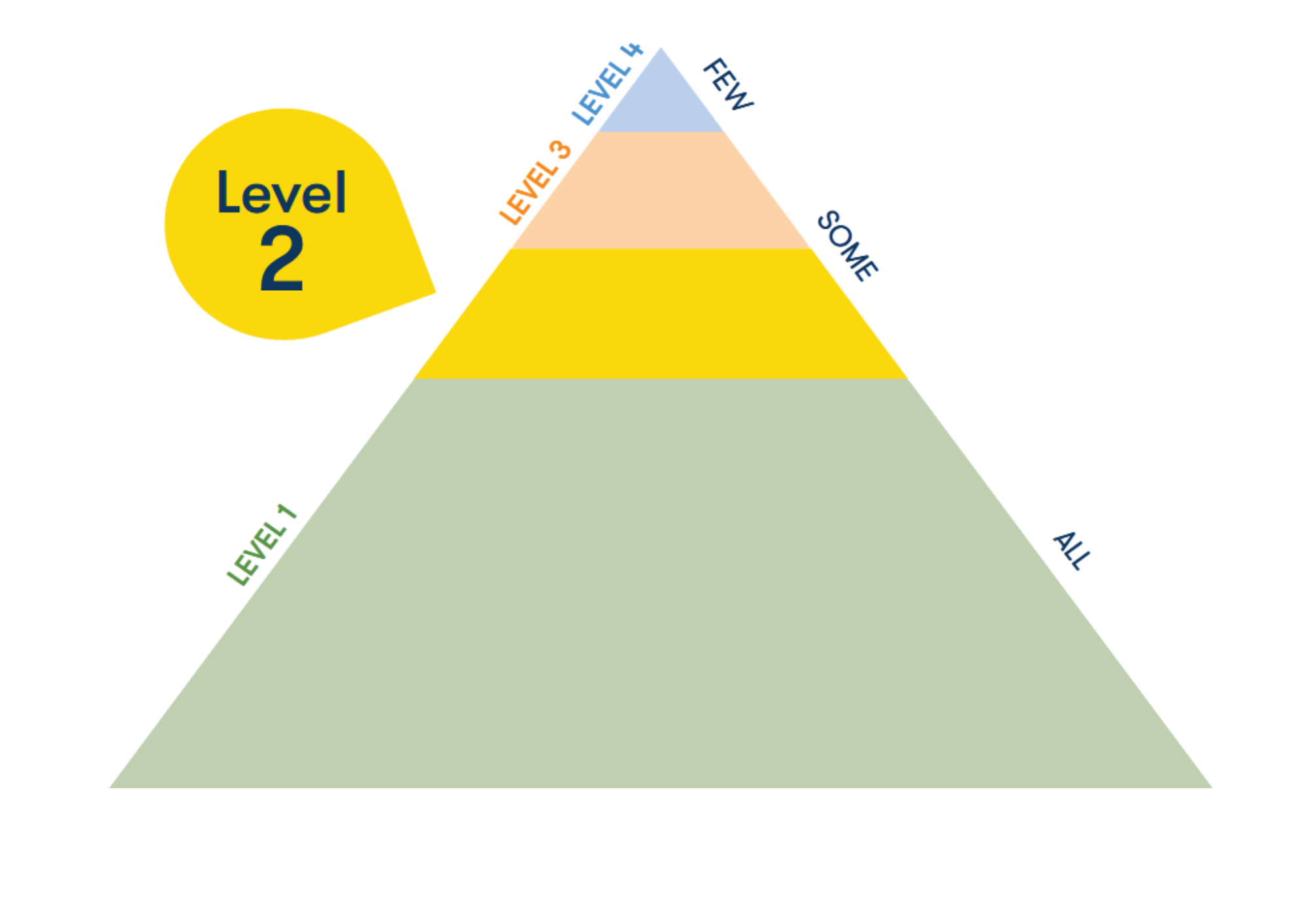
Grief House Warsaw operates primarily on the first two levels of the pyramid – we create a safe, community-based place of support, and when needs are greater, we help people find appropriate specialist care.
How Grief House Warsaw was created
House of Serenity - Grief House Warsaw – Дім Полегшення grew out of a dream to create a safe space of social support, open to people from different cultures, languages and traditions. We believe that bereavement - like death - is a universal experience, though experienced in many ways. The House of Serenity was also born out of the conviction that in a culture of „positive thinking”, affirmation and the pressure of constant achievement, we too rarely learn how to experience loss and how to accompany others through the difficult moments that are part and parcel of life. That is why we want to learn to do this together: to be there for each other, to exchange experiences and to build a community where suffering does not have to mean loneliness.
The project is a pilot supported by the European Social Fund Plus, implemented under the European Funds for Social Development 2021–2027 programme. During the pilot period, we test how a community-based grief support model can work in Polish conditions – support rooted in community, not only in individual therapy. We learn together with participants: what helps, what should be changed, and which meeting formats feel the most supportive.
The Grief House Warsaw team
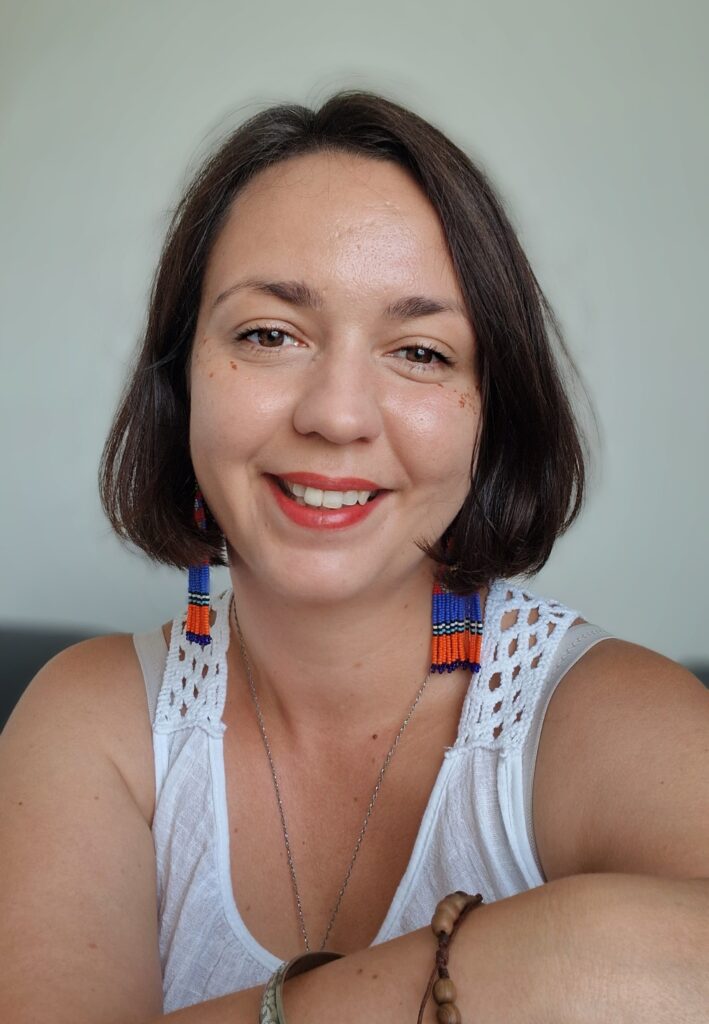
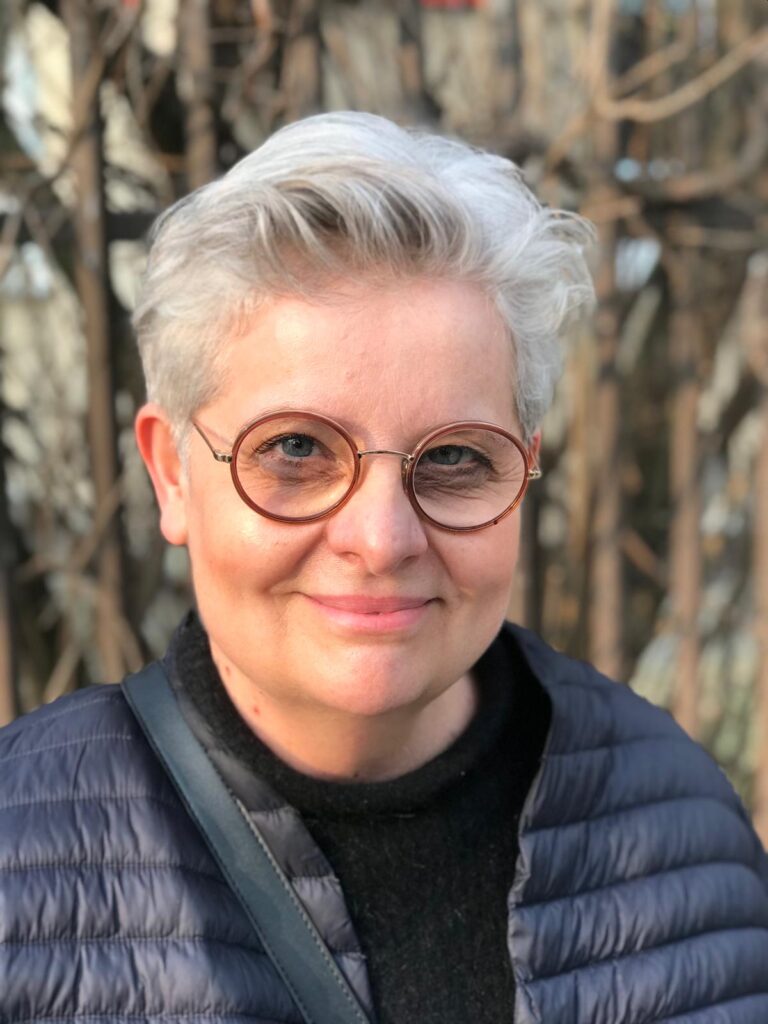
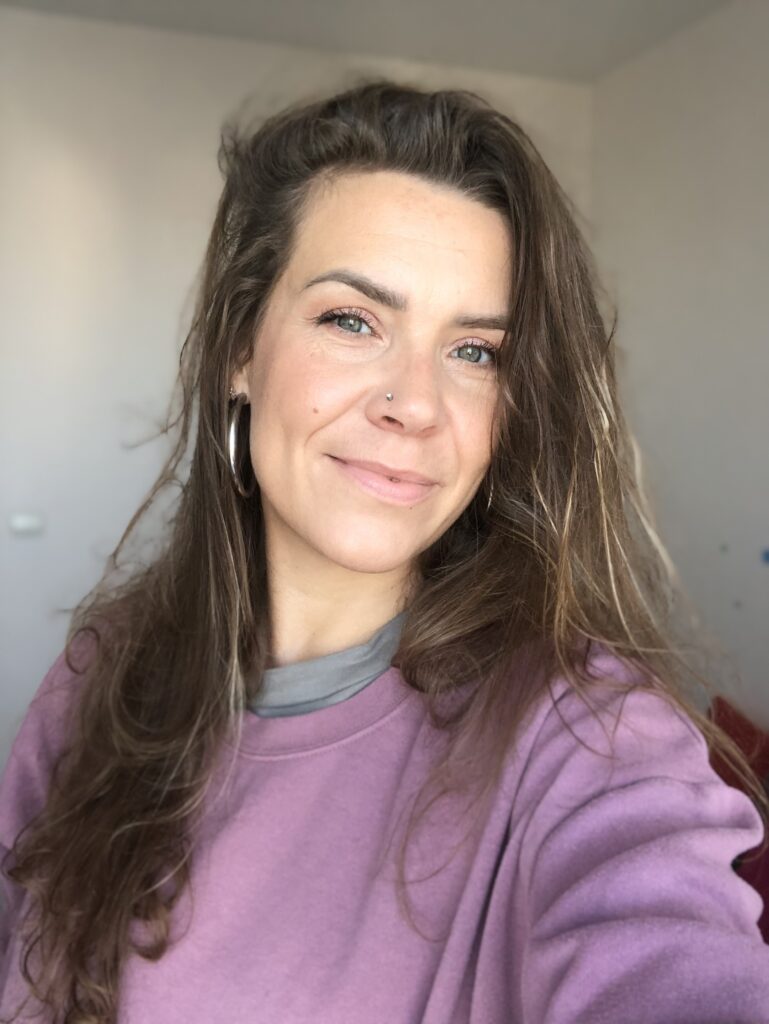
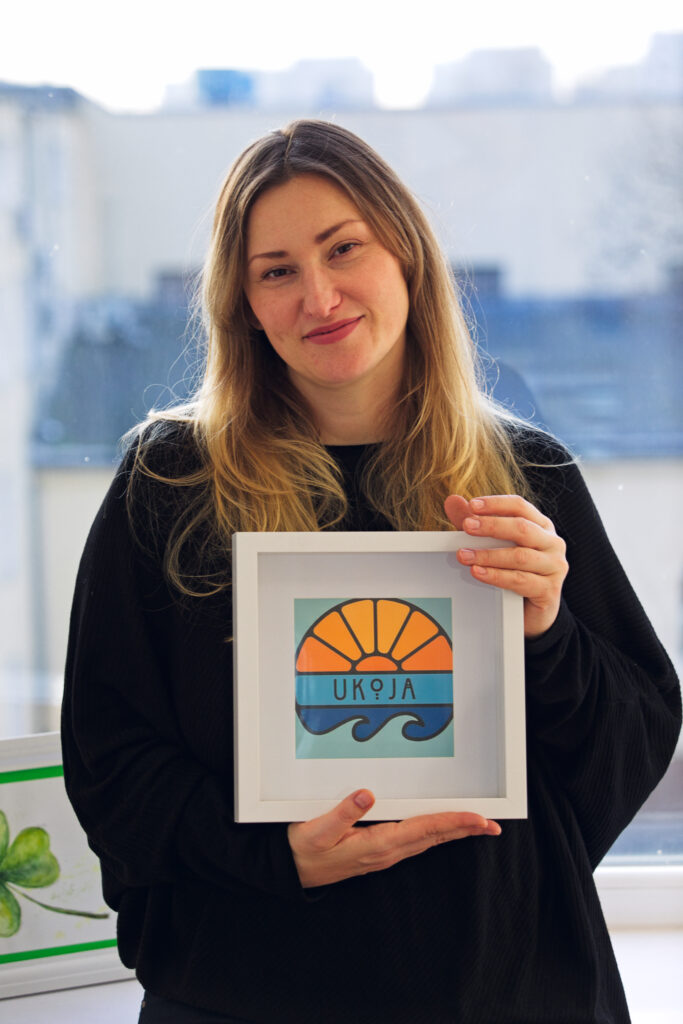
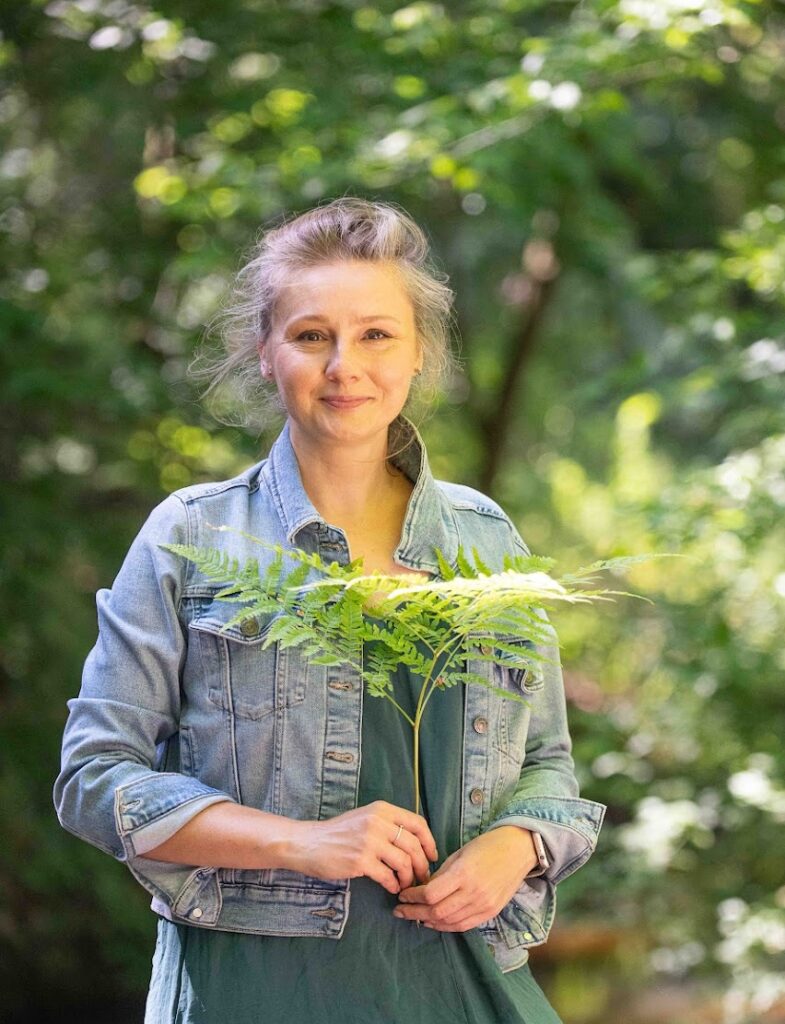
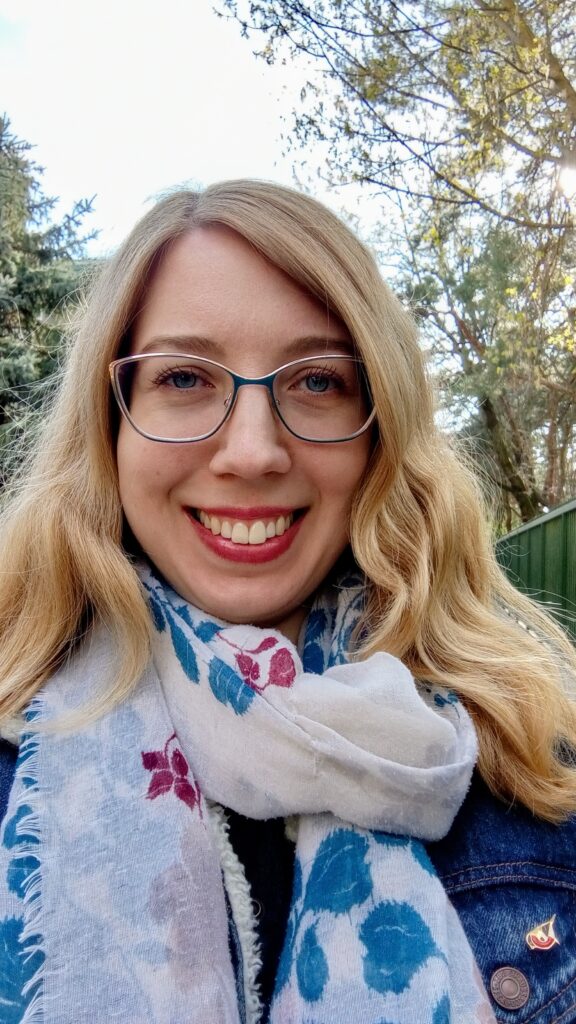
The Grief House Warsaw team is made up of people with experience working with bereaved individuals and/or with lived experience of their own grief. We combine psychological, intercultural and nature-based knowledge with practical experience of accompanying people in grief. We take care of our boundaries and wellbeing, and we use supervision and consultations so that our work is safe both for participants and for us.
Meet Our Team


Partners and support
Grief House Warsaw is being created thanks to the cooperation of many people and institutions.







Grief House Warsaw is a social innovation developed as part of “Inkubator pomysłów 3 – support for the development of social innovations related to social inclusion”, implemented by the Stocznia Foundation in partnership with the Catholic Intelligentsia Club and the Evaluation Centre, under the European Funds for Social Development Programme co-financed by the European Union through the European Social Fund Plus.